Map conditions over an ordinary week
A roof does not make a balcony dry. Wind-driven rain can reach well inside a covered area, while condensation can dampen surfaces without any rain at all. Watch where water lands, where it collects and how quickly it disappears. Note strong sun and any gusts that move lightweight objects. These observations are more useful than calling the entire balcony “sheltered” or “exposed.”
Weather also varies by season. A shaded winter corner can remain damp long after a sunny summer photograph suggests otherwise. The Met Office and NOAA publish weather information useful for understanding local patterns, but regional forecasts do not describe every effect around a particular building. Use them alongside direct observation, and take official severe-weather advice seriously.
Compare materials by their weak points
Powder-coated metal can be durable, yet chips, joints and cut edges need attention. Aluminium generally avoids the red rust associated with steel, but its finish and fasteners still matter. Timber can be comfortable and repairable, though it moves with moisture and may require cleaning or refinishing. Synthetic wicker depends on its formulation, frame and construction; the woven appearance alone says little about lifespan.
Look for clear care instructions, replacement parts and a warranty that describes actual conditions of use. Coastal air, strong sun and trapped moisture can change maintenance needs significantly. “Weatherproof” should prompt questions rather than end them. Ask what can remain outside, what needs covering and what should be brought indoors. Prefer an answer specific enough to guide your routine.
Choose cushions that can become dry again
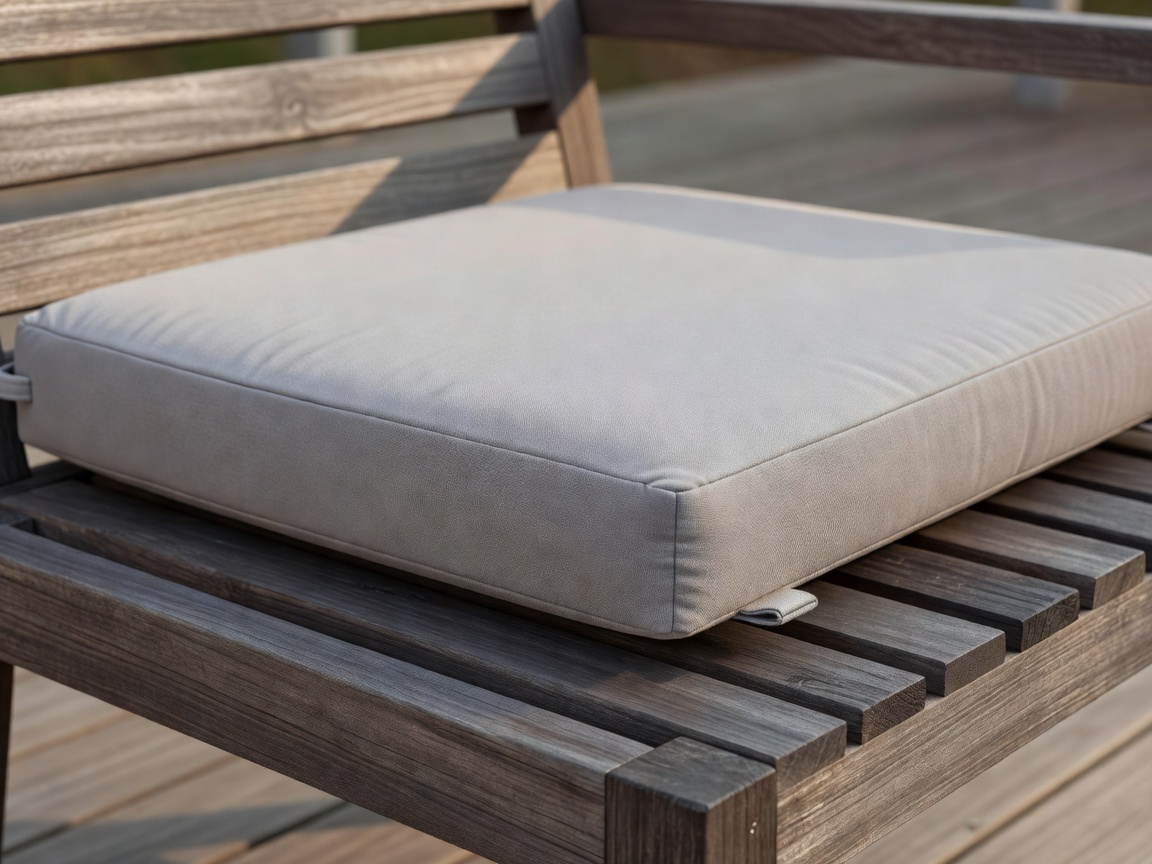
A water-repellent cover is not the same as a waterproof cushion assembly. Seams, zips and undersides can admit moisture, and the filling may dry more slowly than the fabric. Quick-drying construction can help, but it still needs airflow and appropriate care. If the balcony regularly gets wet, consider whether a removable seat pad is more practical than deep upholstery.
Make indoor storage part of the purchase decision. Cushions should be clean and dry before enclosed storage whenever the instructions require it. A damp cushion placed in a sealed box can develop odour or mould even if the box keeps out rain. The U.S. Environmental Protection Agency and the World Health Organization discuss the importance of controlling dampness; the same basic drying principle is useful when managing outdoor textiles.
Be cautious with rugs and floor coverings
A rug can soften a seating area, but it can also hold moisture, hide debris and create a trip edge. Check the flooring manufacturer’s instructions and your building rules before adding one. Some backings can stain or interact with surfaces, and a wet rug can change slip resistance. Lift and inspect beneath it regularly rather than treating it as a permanent finish.
Do not cover drainage outlets or interfere with the designed fall of the balcony floor. Interlocking tiles and raised coverings also need approval where they affect drainage, thresholds, fire performance or access to waterproofing. The existing floor is part of a building system. Decorative changes should not hide a leak or make a maintenance problem harder to discover.
Keep accessories stable and modest
Choose a small number of objects that earn their place: a stable side table, an outdoor-suitable lamp and perhaps one manageable container. Lightweight trays, lanterns and empty pots can become windborne. Bring loose items inside before deteriorating weather and never place them on a railing edge. Heavy objects create a different concern, so do not solve wind stability by adding weight without understanding the balcony’s permitted loading.
Plant containers need controlled drainage that does not drip onto neighbours or create slippery patches. Pot feet, saucers and liners have different effects on water retention and floor contact. Check the whole arrangement after watering, not just the plant. Leave access to inspect the surface beneath and keep containers from becoming climbing aids near the guardrail.
Build a short closing routine
An evening corner should be easy to close down. Switch off lights, unplug or store equipment as its instructions require, bring in textiles and check for loose items. After rain, let suitable materials dry with ventilation rather than immediately covering everything. After strong wind, inspect fixings from a safe position and stop using anything that has shifted or become damaged.
Keep a simple seasonal list: clear accessible drains without altering them, clean surfaces with approved products, inspect finishes and review storage. FSC and PEFC certification can inform timber sourcing choices, but neither label guarantees suitability for your particular exposure. Likewise, a finish described under a test standard is not a substitute for the product’s maintenance instructions. The most durable scheme is often the one you can care for consistently.