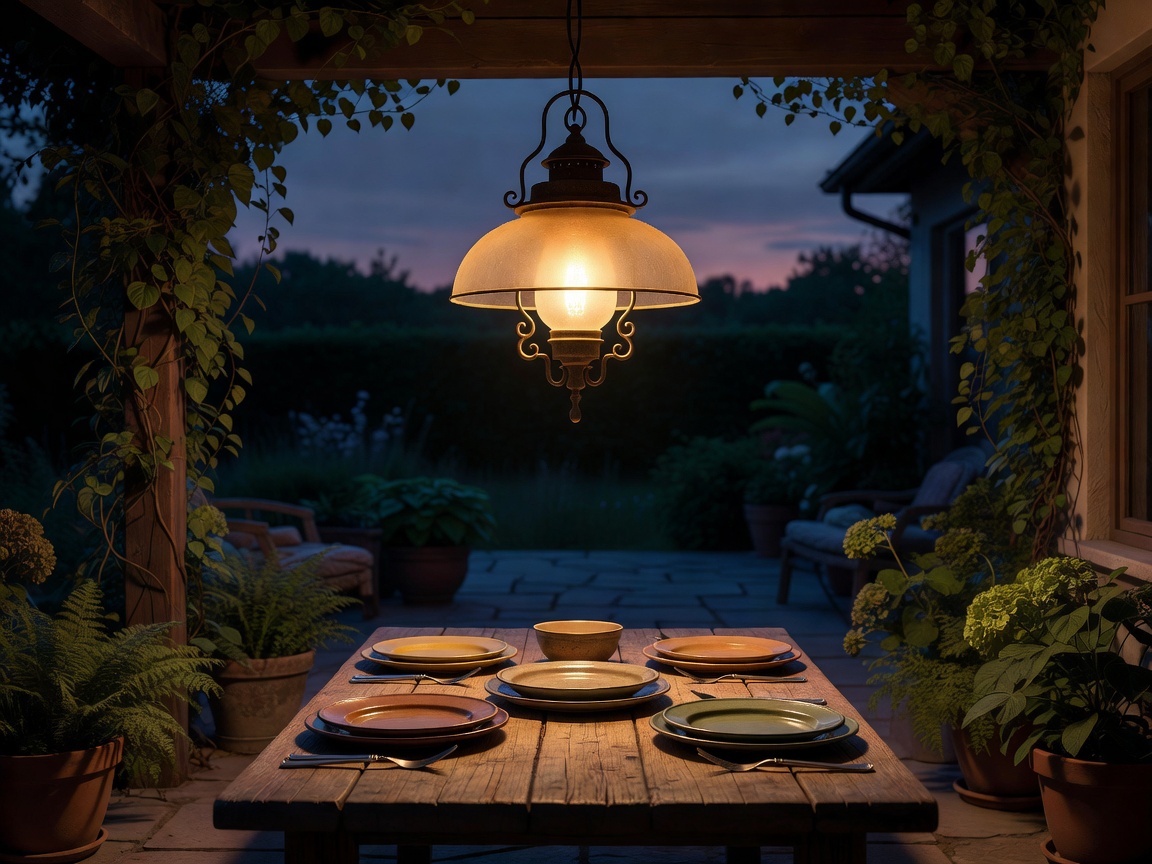
Begin at the doorway, after dark
Stand inside with the room lights as you normally use them. Notice the threshold, any change in floor level and the route to your seat. An evening plan should make these readable without turning the balcony into a floodlit stage. Try a temporary, outdoor-suitable portable lamp before committing to a fixed location. Check the view from both directions: arriving outside and returning indoors with something in your hands.
Do not run a cable through a door that can close on it. A seemingly convenient gap can pinch insulation or stop the door working correctly. If the balcony has no suitable power supply, a rechargeable outdoor lamp may be the simpler starting point. Charge and store it according to its instructions, particularly in cold, wet or very hot conditions.
Make the seated view your test
A lamp can look lovely while you are standing and become uncomfortable at chair height. Sit down before deciding its position. If you see a bright LED directly, change the angle, lower the brightness or choose a better-shielded fitting. A shade that hides the source while illuminating the tabletop usually feels more useful than an exposed bulb at eye level.
Place light close to the task instead of raising the brightness across the whole balcony. A book needs different illumination from a conversation. A dimmable or multi-level lamp lets you adjust that difference without buying several fixtures. Remember that dark tabletops absorb light, pale walls reflect it, and glossy metal can create surprisingly sharp reflections.
Choose warmth without confusing it with brightness
Colour temperature and light output describe different qualities. A lamp around 2200–2700 K can give an amber-to-warm-white appearance, but it can still be glaring if the source is exposed or the output is excessive. Compare actual products at a useful brightness rather than choosing by a cosy photograph. Colour temperature alone does not tell you whether a fitting is comfortable or suitable outdoors.
Begin with one lamp at its lowest practical setting. Add another only when a specific job remains difficult. This keeps the lighting plan easy to operate and reduces unnecessary spill into surrounding homes. DarkSky International’s emphasis on useful, targeted, low-level and controlled lighting is a helpful lens, even for a very small outdoor space.
Treat strings as an accent, not infrastructure
String lights can soften an edge, but they should not become the only way to see a threshold. Keep them clear of the walking route and away from doors, moving furniture and anything that can catch the cable. Use only the attachment methods and spans permitted by the product instructions and your building. Never improvise a support by stretching a powered cable tightly between unsuitable fixings.
Check what the lights look like from the neighbouring window and from below. Avoid flashing modes, outward-facing lamps and late-night operation that others cannot control. A timer can help establish a predictable switch-off, provided that timer is itself suitable for its location. Solar products also need realistic expectations: shade, winter conditions and dirty panels can make their output unreliable.
Read the outdoor rating properly
IEC 60529 defines the IP classification used to describe enclosure protection. An IP label is not a blanket guarantee against every balcony condition: orientation, connectors, installation and exposure still matter. Do not assume that a weather-resistant lamp makes its charger, transformer or extension connection weather-resistant too. Read the instructions for every component in the system.
Electrical Safety First offers consumer guidance for outdoor electrical use, while the National Fire Protection Association publishes electrical and fire-safety resources relevant to United States readers. Local rules differ. Ask a qualified electrician about an outdoor socket, appropriate RCD or GFCI protection and any fixed wiring. Decorative advice is not a substitute for that assessment.
Finish with a five-minute evening check
Walk the route, sit in each seat and look back toward the home. Confirm that the light does not hide a step in deep shadow or shine directly into another dwelling. Turn off anything that adds brightness without a purpose. Then check that the off switch is easy to reach and that the whole arrangement can be made safe quickly when rain or strong wind arrives.
Keep flame out of the plan. Battery-powered, outdoor-suitable alternatives avoid the added fire risk of candles. Check building restrictions and never cover a light or power unit with fabric to soften it.